Two materials that were never meant to meet
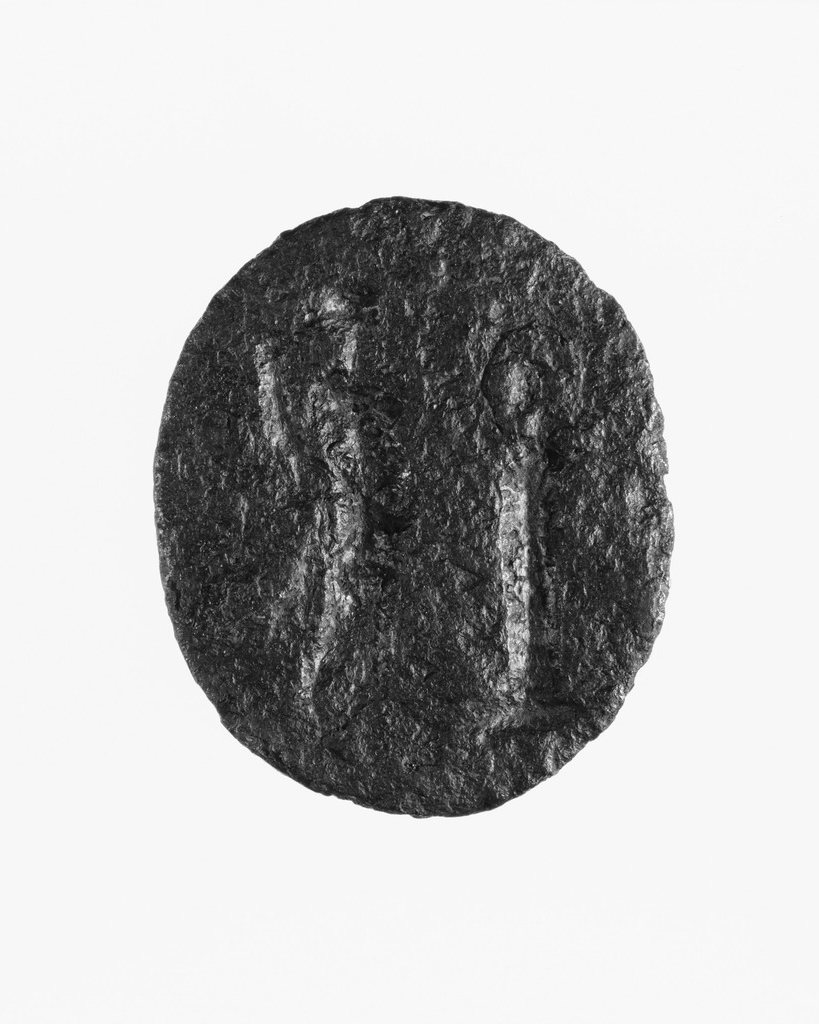
Ballast pairs a cast-iron form, poured from a pattern taken from a decommissioned harbour tug, with a cradle hand-joined from white oak that has never been sealed against the iron's rust. Over the coming decades the oak will darken and stain exactly where the two materials touch — a deliberate, unstoppable conversation between them that we are not interrupting with a barrier coat.
Casting at hull scale
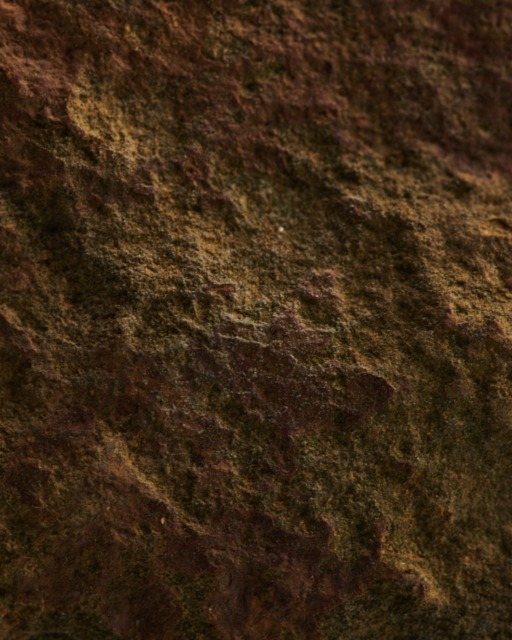
The iron section was poured in a single-use sand mould built from a full-scale wooden pattern, then fettled and ground by hand over three weeks. At 1,240 kilograms it is the heaviest single casting the studio has produced, and the foundry floor needed reinforcing before the pour could happen at all.
Dimensions & specification.
Fig. 01 — elevation dimensions, Ballast. Not to architectural scale.
| Title | Ballast |
| Year | 2023 |
| Material | Cast iron & white oak |
| Dimensions (H × W × D) | 760 × 1,880 × 340 mm |
| Weight | 1,240 kg |
| Edition | Unique |
| Catalogue no. | MN-023-01 |
| Status | Acquired — private collection, Zürich |
On rust as an ally
Cast iron left unsealed will always eventually fail — that is simply what the material does. Ballast does not fight that. The unsealed cradle joints are a clock we started on purpose, and the piece is understood to be, in a small way, still being made.
We asked the foundry twice if the floor would hold. They asked us twice if we were sure about the rust.— Studio notebook, June 2023
In the room.
Enquire about
Ballast.
This work has been acquired, but the studio can discuss a related commission.
Start an enquiry