
Somewhere between the invention of the shipping container and the arrival of one-click checkout, buying a thing stopped being an event. It became a reflex. We are not immune to it — Forme exists inside the same economy as everyone else — but we have spent nine years trying to build a company that quietly argues against its own industry's incentive to sell you more.
The economics of most homeware are built on replacement, not longevity. A £12 glass that chips in a dishwasher is not a design failure from the manufacturer's point of view — it is a feature. You will buy another set. A lamp with a plastic housing that yellows in direct sun after eighteen months is not an accident either. Planned obsolescence rarely announces itself; it just shows up as a slightly-too-thin wall, a slightly-too-soft glaze, a price point that only works if you replace the object every few years.
What a twenty-year object actually costs
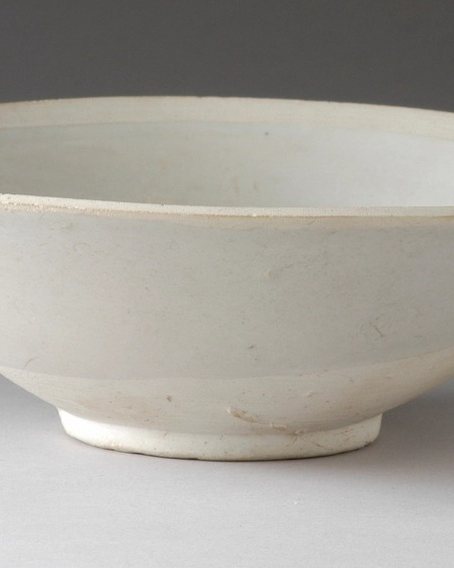
Our stoneware dinner set costs £128. Divided across the twenty years we expect it to last with reasonable care, that is roughly twelve pence a week — less than almost any subscription in your life. A mass-produced set from a big-box retailer might cost £40, but if it needs replacing every three years, the twenty-year cost is comparable, sometimes higher, and you have thrown away six sets of dishware along the way.
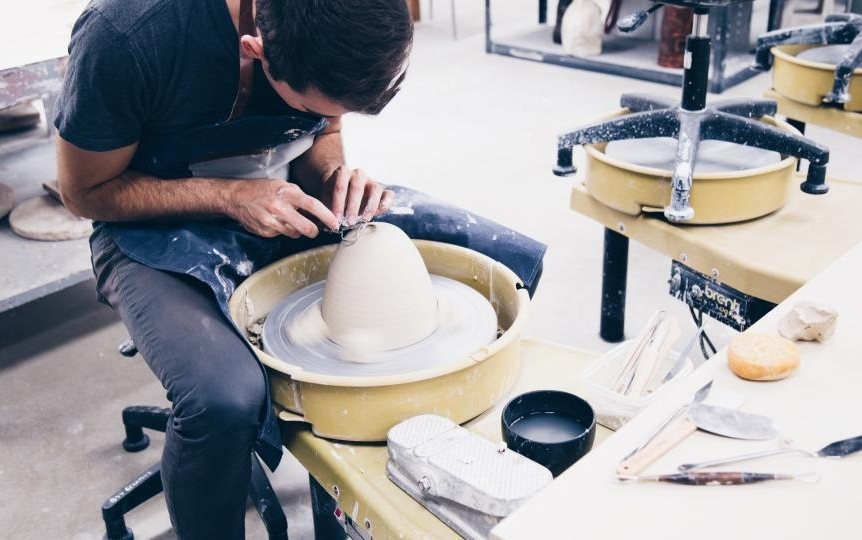
We think about this every time we choose a new maker to work with. Casa Ordóñez's stoneware is heavier than most factory dinnerware because the clay body is denser and the glaze is applied thicker — both choices that add cost and reduce breakage over a decade of dishwasher cycles. Telar Norte's wool throws use undyed fibre partly for the colour, but mostly because removing a processing step removes a point of failure in the dye's colourfastness over years of washing. Slowness, in almost every case, is a materials decision before it is an aesthetic one.
The counter-argument, and why we still think we are right
The honest rebuttal is that not everyone can afford to buy the twenty-year version of everything, and that is true — we are not arguing that thrift or necessity-driven purchasing is a moral failure. What we are arguing against is a specific and avoidable category of waste: buying disposable versions of things you could reasonably expect to keep, at a price that, amortised, is not meaningfully cheaper.
Fewer, better things is not a slogan about minimalism as an aesthetic. It is a fairly boring argument about arithmetic, landfill, and the twenty extra minutes you get back each week not shopping for a replacement.
If you take one thing from this: before your next homeware purchase, ask what a ten-year version of the object would cost, amortised weekly. It is very often less than you think, and it is almost always less than the version you were about to buy instead.