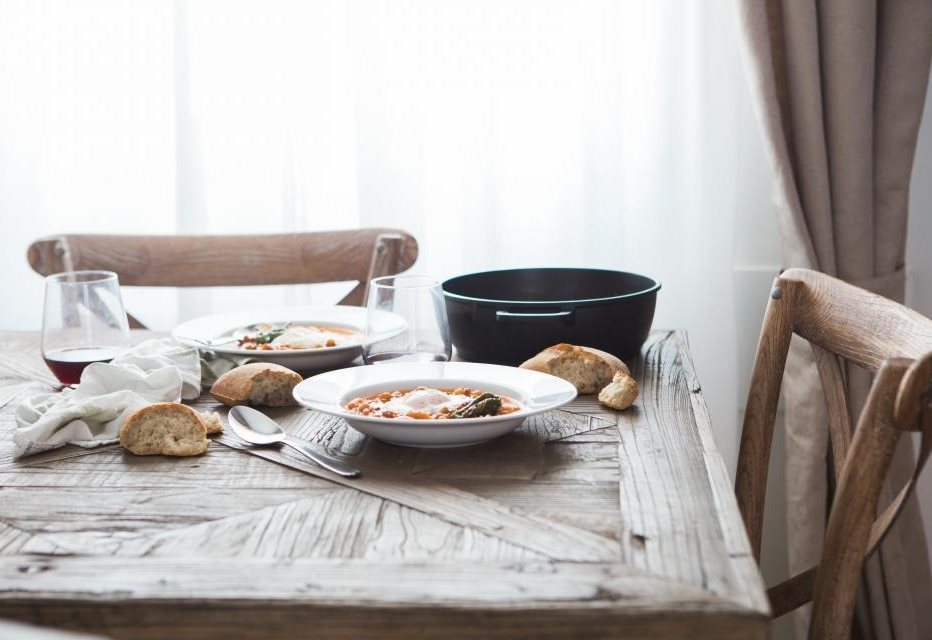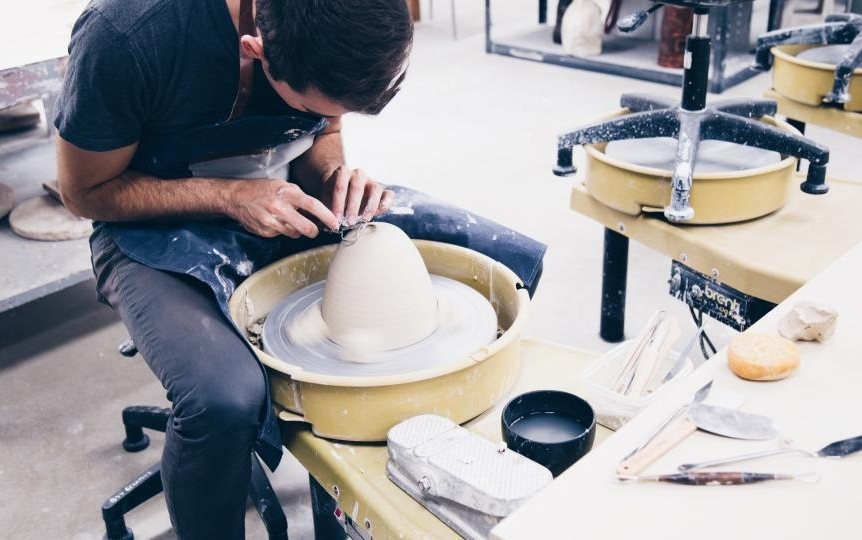
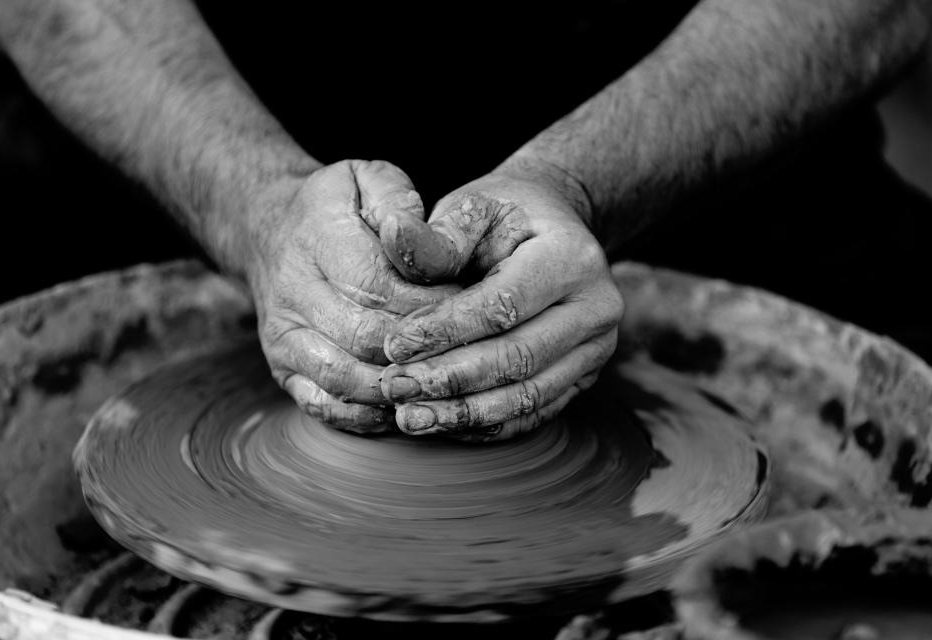
The bus from Oaxaca city climbs for forty minutes before the road turns to gravel outside San Bartolo Coyotepec, the village where Casa Ordóñez has thrown stoneware for three generations. I went for a week in February to watch a batch of our dinner plates made from raw clay to finished object, and came back with a different understanding of what "handmade" actually means on an invoice.
The clay body
Diego Ordóñez, who runs the workshop his grandmother started, mixes his own clay body from three local sources: a grey stoneware clay dug from a family plot outside the village, a small percentage of iron-rich red clay for warmth, and a coarser sand-tempered clay that keeps large pieces from warping in the kiln. The ratio changes slightly by season, depending on how much moisture is in the raw clay when it arrives.
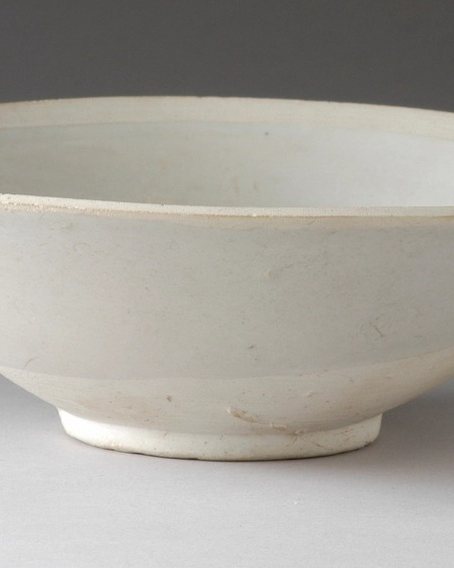
This is the part that surprised me most: the reactive glaze that gives our dinner set its signature pooled, breaking finish is not something Diego controls precisely. It is a lime-and-ash-based glaze applied by hand-dipping, and the way it moves and breaks depends on exactly how thick the application is, exactly where the piece sits in the kiln, and exactly how the flame moves through the chamber that day. He has forty years of intuition about the ranges he is working within, but the final result is always, honestly, a little bit of a surprise to him too.
Why we do not ask for consistency
Early on, a previous supplier asked Diego to standardise the glaze so every plate matched exactly. He tried it for one order and told us afterward that he would rather not work with us again than do it a second time — it required diluting the glaze in a way that dulled the exact quality that made it worth using in the first place. We agreed immediately. Every set of our stoneware plates that ships has some variation in the glaze; we consider that a feature described honestly, not a defect quietly tolerated.
The kiln itself is wood-fired, a detail that adds a full day of tending to every batch and puts a hard cap on how many pieces Casa Ordóñez can produce in a month. That constraint is, frankly, the whole reason the workshop still exists as three generations of the same family working the same clay pit — a gas kiln would triple the output and erase the exact quality we buy the pieces for.
I flew home with two plates wrapped in a shirt in my carry-on, both slightly different from the ones already in our warehouse. That is, at this point, exactly what I hope for.